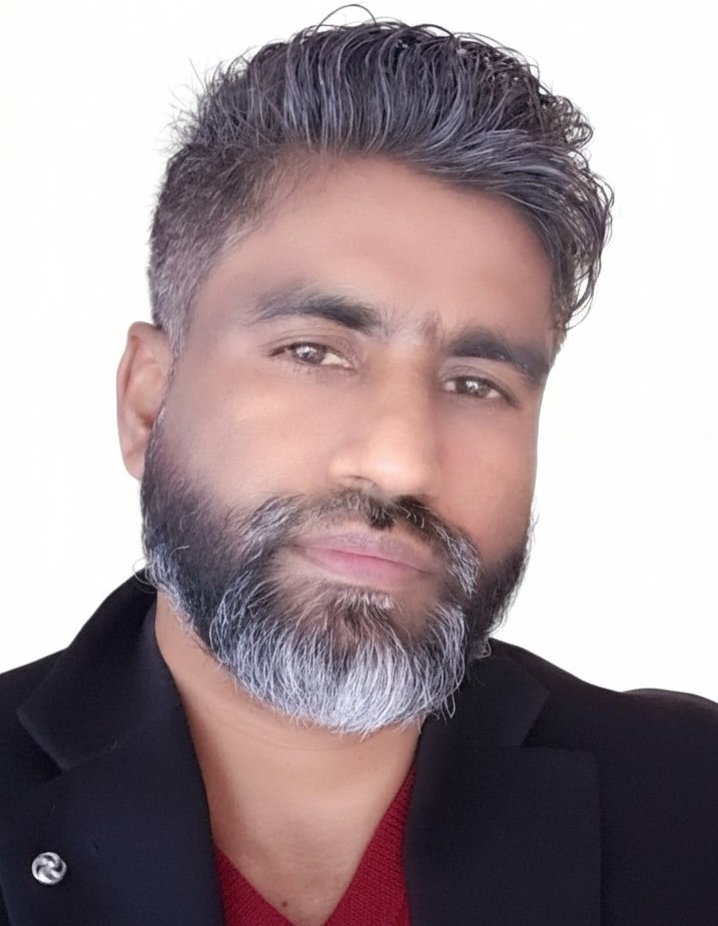

Educator, Scientist, Mentor: The Community Impact of Professor Dr. Sarder N. Uddin


From Bangladesh to Global Classrooms: Advancing Science, Education, and Community Empowerment
By Staff Reporter
Professor Dr. Sarder N. Uddin’s life and career exemplify the transformative power of education, scientific discovery, and service to society. Born and educated in Bangladesh, Dr. Uddin has built an international academic and research career spanning Bangladesh, Japan, and the United States. Throughout this journey, he has remained committed to a singular mission: using education and science to create opportunities, inspire future generations, and improve communities.
A Journey Rooted in Education and Excellence
Dr. Uddin began his academic journey at Khulna University, Bangladesh, where he earned a Bachelor of Science in Biotechnology and a Master of Science in Genetic Engineering. His academic achievements earned him the prestigious Japanese Government (MEXT) Scholarship, which enabled him to pursue doctoral studies at Yamaguchi University, Japan. There, he completed his Ph.D. in Molecular Biology, conducting research in developmental genetics and molecular biology.
His pursuit of advanced scientific knowledge continued in the United States through postdoctoral training in Neuroscience at Montana State University and Developmental Biology (Embryology) at Michigan State University. These experiences provided the foundation for a distinguished career in research, teaching, and scientific leadership.
Shaping Future Scientists and Healthcare Professionals
Over more than two decades, Dr. Uddin has taught and mentored thousands of students across universities and community colleges in Bangladesh and the United States. Beginning as a Lecturer at Khulna University in 2002, he steadily advanced through the academic ranks to become Professor of Biotechnology, teaching courses in biotechnology, molecular biology, genetics, microbiology, cell biology, and physiology.
In the United States, he has served at institutions including Oakland Community College, City Colleges of Chicago, College of DuPage, and Triton College. His teaching portfolio includes Human Anatomy and Physiology, Pathophysiology, Human Biology, Microbiology, and General Biology. Through cadaver-based anatomy instruction, laboratory training, and active-learning strategies, he has helped prepare students for careers in medicine, nursing, allied health sciences, biotechnology, and biomedical research.
Many of his students are first-generation college attendees, immigrants, and non-traditional learners. Through mentorship, academic advising, and personal encouragement, Dr. Uddin has helped countless individuals overcome barriers to higher education and achieve their professional goals.
Research for Human Health and Scientific Advancement
Beyond the classroom, Dr. Uddin has made significant contributions to scientific research. His work spans developmental biology, neuroscience, molecular genetics, microbial genetics, biotechnology, stem cell biology, cancer biology, and neurodegenerative diseases.
At Montana State University, his research focused on neural circuit development and sensory processing using Drosophila melanogaster as a model organism. At Michigan State University, he conducted molecular and cellular biology research involving developmental and reproductive biology. He has participated in multiple research projects supported by agencies such as the National Institutes of Health (NIH), National Science Foundation (NSF), and the United States Department of Agriculture (USDA).
His laboratory expertise includes advanced molecular and cellular techniques such as:
- Polymerase Chain Reaction (PCR) and qPCR
- Western Blotting
- Flow Cytometry
- Immunohistochemistry
- Confocal Microscopy
- Cell Culture
- In Situ Hybridization
- Molecular Imaging and Genetic Analysis
Scholarly Achievements and Publications
Dr. Uddin has authored and co-authored more than 30 peer-reviewed scientific publications, book chapters, and conference papers covering a broad range of biological and biomedical sciences.
Some of his notable scholarly contributions include:
- Research on the drumstick gene and intestinal development in Drosophila, published in the International Journal of Developmental Biology.
- Studies on environmental and genetic factors in Autism Spectrum Disorder.
- Research addressing Alzheimer’s disease pathophysiology and reactive oxygen species.
- Investigations into cancer-related p53 regulatory pathways.
- Work on waterlogging tolerance in wheat, contributing to agricultural biotechnology.
- Publications on non-viral gene delivery systems, stem cell biology, microbiology, and pharmacological sciences.
He has also contributed to biotechnology education through book chapters in Advances in Biotechnology, published by Bentham Science Publishers.
International Recognition and Awards
Dr. Uddin’s contributions to education and research have been recognized through numerous prestigious awards and fellowships, including:
- Erasmus-Mundus EXPERTS Fellowship (2015)
- Erasmus-Mundus Research Grant (2013)
- Best Researcher Award, Yamaguchi University, Japan (2012)
- Japanese Government (MEXT) Scholarship (2007-2011)
- Research Fellowship, Montana State University (2013-2014)
- Multiple international travel and research grants
These honors reflect his commitment to academic excellence and his contributions to international scientific collaboration.
Promoting STEM Education and Community Engagement
One of Dr. Uddin’s most enduring contributions is his advocacy for STEM education and lifelong learning. He actively encourages students from historically underrepresented and immigrant communities to pursue careers in science, healthcare, and research.
Drawing from his own journey from Bangladesh to internationally recognized research institutions, he serves as a role model for students seeking opportunities through education. His outreach efforts emphasize scientific literacy, critical thinking, and the importance of education as a pathway to personal and community advancement.
Through teaching, mentoring, and public engagement, Dr. Uddin has fostered a culture of curiosity, innovation, and service among his students and colleagues.
A Lasting Legacy
Professor Dr. Sarder N. Uddin’s career demonstrates how education, scientific research, and community engagement can work together to create meaningful social impact. Through his achievements as a scholar, educator, mentor, and researcher, he has helped advance scientific knowledge while empowering students and communities across continents.
Today, he continues to inspire future scientists, healthcare professionals, and educators through his unwavering commitment to excellence, discovery, and public service. His story stands as a testament to the power of education to transform lives and build stronger, more informed communities.